Imagery © Esri, Maxar, Earthstar Geographics
 DeedlinesOpen the map
 Who owns this property?
Search an address to see the owner on the county's records.
How to find out who owns a property
Ownership is public record, and every county keeps it twice: the assessor's tax roll names who is billed for the land, and the recorder's deeds show how they came to own it. The lookup above reads the tax rolls of 3,077 counties in all 50 states and DC.
Search the address here
The quickest way: the owner, where the tax bill goes and the lot's size, from the county's own records.
Ask the county assessor
The assessor keeps the tax roll and names who is billed for each lot. Most counties search it free by address, owner or parcel number. Some states call the office the property appraiser.
Look up the deed
The recorder of deeds keeps every sale: who bought, from whom, when, and how title is held. A deed is filed before the tax roll catches up, so it is where a recent sale shows first.
Find it on a parcel map
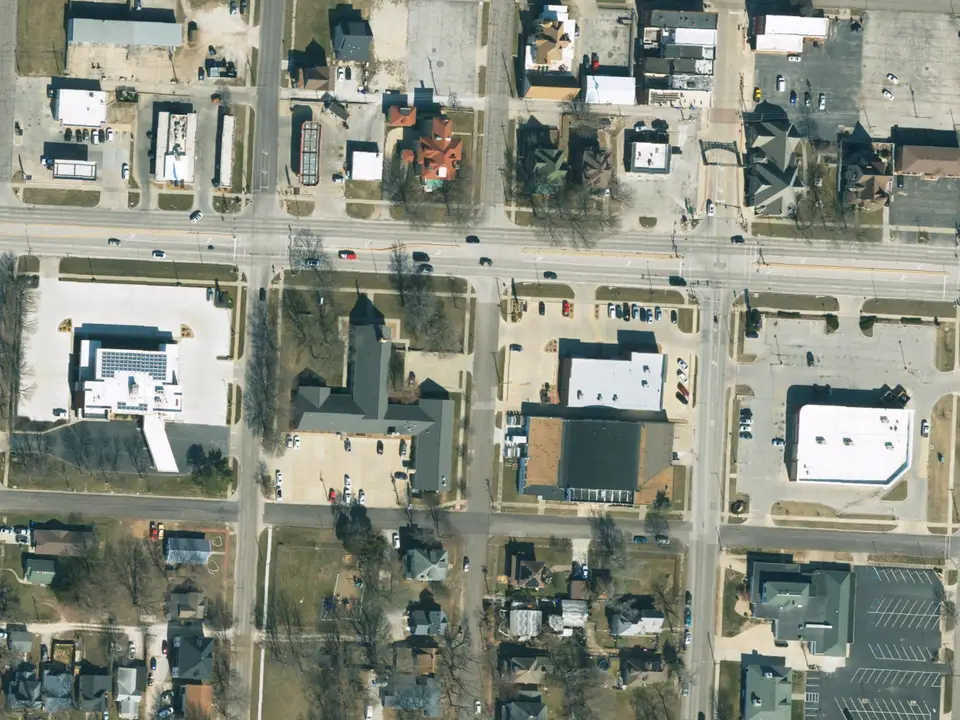
Land with no street address, like a field or a wooded lot, is easier to find by sight. Open the map, move it over the land and tap the lot.
Look behind an LLC or a trust
Search the company's exact name in the business registry of the state where it was formed. The filing names a registered agent and often the managers. A trust is harder: the trustee is often on the deed, the beneficiaries rarely are.
Order a title search
When the answer has to hold up, before you buy or go to court, a title company traces every sale, lien and easement on the property. It is a paid report.
What the record tells you
Every line comes from the county's own file. Where a county publishes nothing, the card says so rather than guess.
- Owner
- The name on the assessor's roll: whoever the county bills for the tax, usually whoever holds the deed. Co-owners are listed together.
- Tax bill goes to
- Where the county sends the bill. For a rental, a second home or a company it is somewhere else, and it is the surest way to reach the owner by mail.
- Size
- The acreage on the county's file, measured from its maps. A survey can differ.
- Assessed value
- The county's value for the tax, not a price the lot would sell for. Some counties publish none.
- Parcel number
- The county's ID for the lot, also called the APN or PIN. Quote it when you call the assessor or the recorder.
Questions
Is this property owner lookup really free?
Yes. Search an address in any county we cover and see the owner of record, with no account, payment card or trial. The map that shows the property lines is free as well.
Where does the owner information come from?
From the county assessor's public parcel records. We copy each county's published file and show the owner exactly as the county wrote it, along with the date of the county's last update.
How current is the owner's name?
As current as the county's records. Assessors update their rolls on their own schedules, from weekly to once a year, so a property that sold recently may still show the previous owner. For a sale in the last few months, check the deed index at the county recorder's office.
Why does it show an LLC, a trust or a bank instead of a person?
Because that is who holds title. Many landlords and investors buy through LLCs, and many families hold their homes in a living trust. To find the people behind an LLC, search its name in the business registry of the Secretary of State where it was formed. The filing names a registered agent and often the managers.
Why is no owner shown for some properties?
Some counties leave owner names out of the parcel files they publish, and some states let certain people, such as judges and police officers, keep their names off public property records. The county assessor's or recorder's office is the place to ask about those properties.
Can I find out who owns land that has no address?
Yes. Open the map, find the land on the satellite view and tap it. Vacant lots, farmland and woods have parcel records even when they have no street address. Find land on the map
Is this the same as a title search?
No. This shows the owner on the county's tax roll. A title search, done by a title company or an attorney, traces the full chain of ownership along with any liens, easements or judgments. Get one before you buy property or sign anything that depends on who holds title.
How do I contact the owner of a property?
Write to the mailing address on the record. It is where the county sends the tax bill, so it reaches the owner even when they live somewhere else. A letter is the usual first step for an offer to buy, a question about a shared boundary, or permission to hunt on or cross someone's land.
Which areas does the lookup cover?
Parcel records for 3,077 counties in all 50 states and DC, with more added as counties publish their files. Coverage and the details available vary by county. Browse coverage by state
Land with no address?
Move the map over it and tap the lot. The owner and the lines are free there too.
Open the map